The primary goal of criminal investigations and prosecutions, both internationally and domestically, is to search for the truth. Achieving this laudable goal is challenging given that we live in a world where there is an active war against truth. Over the past few years, there has been a marked increase in the number of falsified or misattributed images and videos distributed by governments, state-sponsored entities, and individuals that are in turn further disseminated on social media for the purpose of misleading the public. These disinformation campaigns rely, in part, on images that have been improperly modified or wholly created by AI, which are then peddled to the public to further partisan narratives, thus weaponizing social media and other open source websites.
Fake news, including images of questionable authenticity and reliability, is a serious threat to society and the pursuit of truth. We are confronted daily with images of war, conflict, and crime. Some of these images involve international conflicts such as the plethora of highly evocative images from the Russian invasion of Ukraine (satellite, drone, and ground-based video) and the Israel-Gaza conflict. Many of these images exist in the largely unregulated open source environment where legitimate images compete with more questionable ones. Questionable images are also in play at the domestic level where the public is sometimes misled by falsified depictions of events or decontextualized images.
Even legitimate images may be decontextualized and used for misattribution purposes, as seen in the early days of the Russia-Ukraine and Israel-Gaza conflicts, where images from other locations were passed off in the public sphere as being from current conflicts. There is ample motivation to use AI-generated and other false images to fuel misinformation and disinformation campaigns. Misattributed images and falsified content can fuel ethnic violence in fragile countries. A foundational component of any democratic society is its criminal justice system, and the presence of false and misleading images can lead to erroneous findings of fact, miscarriages of justice, and a lack of trust in society’s ability to confront crime effectively.
One of the biggest risks associated with truth discovery in criminal investigations and prosecutions is that investigators, counsel, and the court may unwittingly make decisions based upon evidence that has been misattributed, taken out of context, or outright falsified. Photographs, videos, and other images can be powerful tools in truth ascertainment but increasingly there is good reason to question the veracity of what we see. We must address misinformation, disinformation, and trust erosion in the digital age by focusing on the need for image interrogation, authentication, and interpretation to differentiate legitimate images from those that have been falsified or misused.
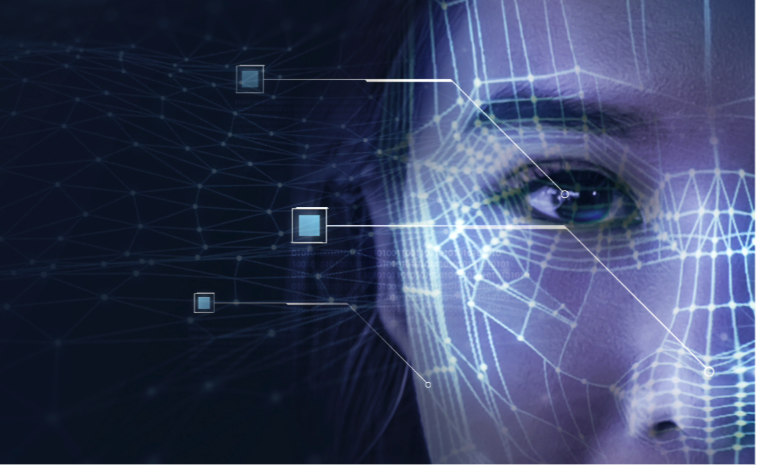
Deepfakes and other AI-generated images contribute to the mistrust of information prepared for public consumption. The increasingly widespread availability of deepfake software has set the stage for the propagation of misleading digital media. Anyone with a smartphone or a computer can generate images that are partly or wholly fictional. There now exists almost unlimited access to social media and other open source websites where images can be disseminated for public viewing. The very real risk is that these modified or wholly synthetic images will find their way into investigations and, more critically, a courtroom.
These problems are exacerbated given that when we view images that are prima facie realistic, there is a tendency to believe that we have fully absorbed their value, thus obviating the need to make further inquiries. Indeed, there is a cognitively biased perception (naïve realism) that images are prima facie more valuable than other forms of evidence on the same point. Properly trained investigators and forensic experts may be able to detect some untrustworthy images, but this gate is far from secure. Many images are not properly scrutinized for veracity at the investigative level. What about the lawyers who present and rely on images in the courtroom and the judges (and juries) who must make findings of fact based on them? How do we ensure that the people who must evaluate images are able to do so in an informed and competent manner? And how do we mitigate the risk that fraudulent images become evidence in court?
The solution is simply stated but will require concerted effort and resources to achieve. First, a marked increase in the visual literacy of investigators, forensic imagery experts, counsel, and the court is essential. Second, a paradigmatic shift is required such that the default approach to images should generally be one of scepticism rather than acceptance. Third, prior to relying upon images for truth purposes, they should be evaluated for their authenticity, reliability, and interpretive value by people who are properly trained to do so and who have the necessary technology to achieve this goal. Hyper-vigilance, not paranoia, is needed in a highly partisan world where so many people are actively trying to obfuscate the truth and create their own fictional narratives.
Discover more from Jonathan W. Hak KC PhD
Subscribe to get the latest posts sent to your email.