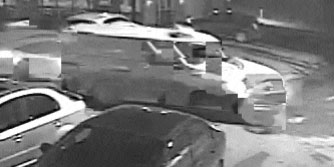
Image Compression: Are Our Eyes Deceiving Us?
Digital compression of video images is a common occurrence. There are legitimate and laudatory reasons for such compression. Among those reasons are the fact that more data can be stored in a smaller amount of storage space, data can be easily transmitted electronically, and data can be searched more readily. However, the first...
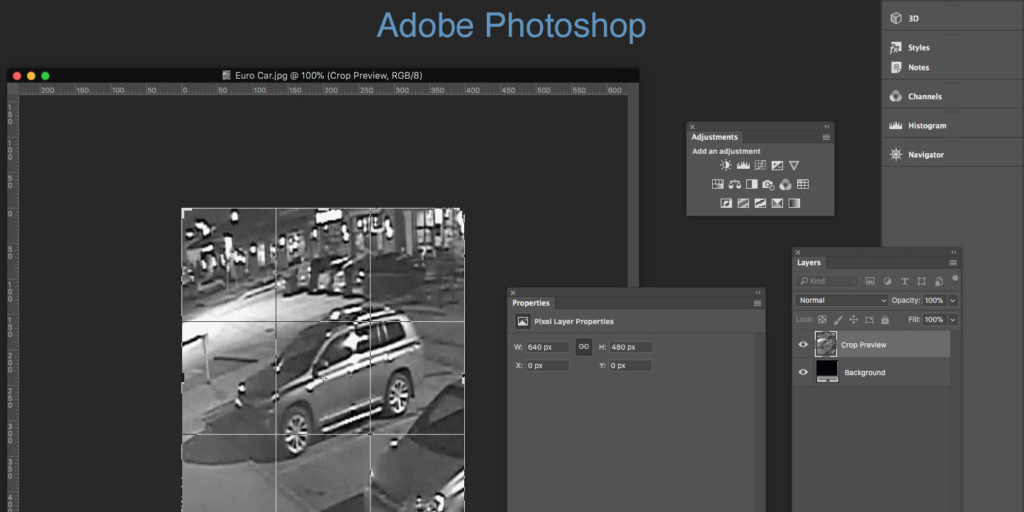
Editing of Images: When Do You Cross the Line?
Related to concerns with authentication, one of the most pervasive suspicions regarding digital image evidence is that the images have been surreptitiously edited in such a manner as to present a false picture of what really happened. Such editing may include deletion or insertion of images, changing the order in which images appear,...
Image Clarification: Not a Bar to Admissibility
One of the most commonly litigated issues regarding digital image evidence is the propriety of and limits to image clarification. Parties who tender clarified images argue that the clarified images allow the viewer to see more detail in the images while the opposing party urges the court to rule the images inadmissible on...

Expert Witnesses: The Need to Remain Current
Expert witnesses are professionally and ethically obligated to remain current in their field of expertise. Parties who retain experts and the courts that rely upon their testimony are entitled to expect that they are receiving the latest information from their experts. When I am tendering an expert witness before the court, in the...
Using Digital Signatures to Authenticate Video Images
Watermarks were discussed in an earlier post as a method of authenticating video images or showing that image alteration has occurred. Watermarks come with limitations. A more commonly used method for authenticating digital images is the use of digital signatures whereby digital signatures are generated in an authentication system and stored on a...

Using Watermarks to Authenticate Video Images
Another method of authenticating video images is to show scientifically that an image has not been altered or conversely that alteration has occurred. One such method has been the use of watermarking which modifies the digital video content by the superimposition of a watermark. As Erik Berg noted:[i] Digital watermarks are generally used...
Authentication and the Use of Audit Trails
In order for video evidence to be admitted at trial, the tendering party must prove that the images are authentic. There are a number of technical approaches that are available to assist with video authentication. This post will address the use of audit trails as part of the process of establishing authentication. Proper...
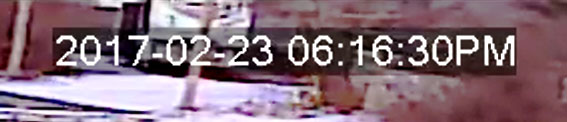
Date and Time Stamp Accuracy
Date and time stamps are superimposed on video images for the laudatory purpose of indicating the time the events depicted actually occurred. In reality, date and time stamps are often inaccurate. Inaccuracy occurs for a variety of reasons including failure to account for Daylight Savings Time, failure to account for the correct time...

Evidence Required to Authenticate Surveillance Video: Part 1
Most serious cases have surveillance video evidence that may prove to be valuable. When I have such a case, my first task is to ascertain how I will authenticate the video. From experience, I know that I need evidence that covers three key areas: CCTV System: Details of the CCTV system that recorded...

Evidence Required to Authenticate Surveillance Video: Part 2
In an earlier post, I set out the evidence that was required in order to properly authenticate surveillance video, namely evidence about the system that captured the images, exporting and post-exporting processing of the images. Depending on the case, this may require as many as three witnesses or as few as one. Below...