New “Forensic Talks” episode featuring Jonathan W. Hak, Q.C.
The New Year started with a wide-ranging interview by Eugene Liscio on several topics relating to expert witness testimony, the use of forensic science in the courtroom, digital media, and more. For an informative 45 minute chat, please have a peek!
Court Excludes Expert Testimony Not Covered in Expert Report
An expert who has been retained to analyze evidence and draft a report for use in litigation is generally not permitted to give testimony and express opinions beyond the contents of the report. There are sound legal and practical reasons for this limitation. This article examines a recent case illustrating this point and...
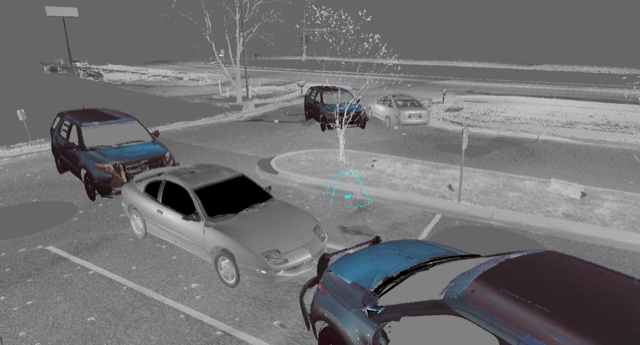
Legal Considerations and Recommendations for the Use of Terrestrial LiDAR Scanning for Criminal Justice Applications
Jonathan W. Hak, Q.C., Dipl., B.Sc., LL.B., LL.M., PhD Candidate[i] Introduction Accurate and detailed depictions of crime scenes, areas of interest, and objects provide investigators, counsel, and the court with data necessary to more fulsomely comprehend available evidence and to understand what occurred.[ii] Scene measurements, including the location of objects and features within the...

The Admissibility of Video and Photographs Posted to Social Media: Inconsistent Court Rulings
Video and photographs posted to social media sites often have value for the prosecution. The challenge posed by social media evidence is authenticity and even though the law is quite well established, the application of it varies from case to case. In this article, I will review three US cases with disparate rulings....
Yes Virginia – There Really are Limits to Expert Video Narration in Court
One of the contentious aspects of providing expert video-related evidence in court is the extent to which the expert can provide narrative testimony about what is shown in the video. Judges are required to act as gatekeepers and ensure that only properly admissible evidence is presented. In doing so, judges are required to...
An Expert for All Seasons? A Study in Expert Overreach
In January 2020, James Wells was sentenced to life imprisonment for the April 2012 murders of two U.S. Coast Guard employees, who were co-workers of Wells on Kodiak Island, Alaska. He was originally convicted in 2014 and his convictions were reversed by the Ninth Circuit Court of Appeals in December 2017. Following a...
Truth on Trial: Forensic Experts and the Pursuit of Justice
Forensic experts often identify themselves in conjunction with the party that has retained their services. They are a “prosecution expert” or a “defense expert” or announce that they serve both roles. Experts should not align themselves with either side in criminal or civil litigation. Although retained by one party in a case, the...
California Court of Appeal Rules Upon the Propriety of Forensic Video Analysis Techniques Utilized by Expert
The California Court of Appeal recently had occasion to review certain forensic video analysis techniques employed by a forensic expert for the purpose of determining whether they were properly admitted at trial and additionally whether they constituted novel science, thus requiring a Kelly-Frye hearing. In People v. Tran, 2020 WL 3056213, the state presented evidence from...
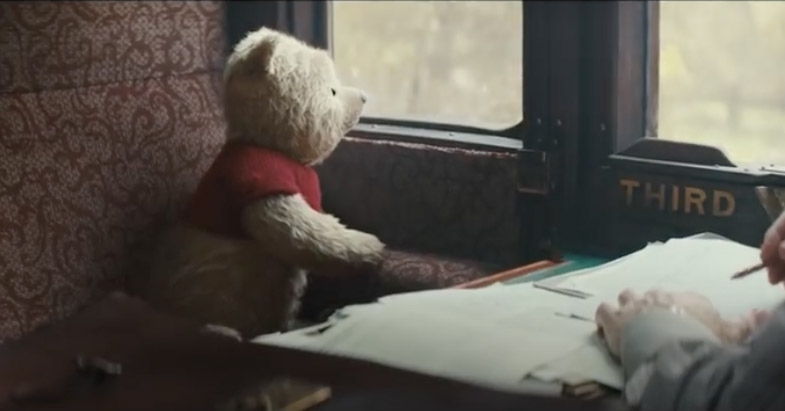
Interpreting Video Images: Can You “Say What You See”?
In the 2018 Ewan McGregor movie Christopher Robin, Winnie the Pooh plays a game he calls “Say what you see,” in which he looks out and says what he sees. None of his friends object or tell him that he is not qualified to give his opinion. Forensic video analysts are often asked to...

Practicing Effective Courtroom Testimony Techniques is the Key to Success on the Witness Stand
Strategic practice using effective courtroom testimony techniques will make you a better expert witness. You have valuable information to provide and your ability to fairly and confidently communicate that information in court is essential. These are skills that can be learned and practiced. Just going to court and hoping for the best is...